5 VPN Scams to Avoid + How to Choose a Legit VPN Provider Safely
Introduction: The Growing Need for VPNs and Digital Privacy
Virtual Private Networks (VPNs) have rapidly become essential tools in today’s hyper-connected world. As cyber threats increase and data privacy becomes harder to protect, many people are turning to VPN services to stay anonymous online, secure their browsing activity, and unlock geo-restricted content.
However, as demand grows, so does the number of scams. Fake VPNs, shady providers, and deceptive marketing tactics are flooding the internet, putting your personal data and financial security at risk. If you’re searching for a reliable VPN, you must first learn how to dodge the scams and spot the real deal.
Let’s break down the most common VPN scams and how to choose a legitimate, safe, and effective VPN provider.
Why VPN Scams Are on the Rise
There are over 1 billion VPN users worldwide, and the global VPN market is worth over $44 billion. This growth has attracted not just ethical companies, but also scammers who want a piece of the pie.
Why the increase in scams?
- Low barrier to entry: Anyone can set up a fake VPN app and start collecting user data.
- Lack of regulation: Many VPN providers operate in jurisdictions with weak consumer protection.
- High user demand: As users flock to VPNs for streaming, privacy, and remote work, scammers see easy prey.
- Affiliate competition: Fake review sites are made solely to promote shady VPNs with high commissions.
Avoiding these traps is critical to protecting your identity, your browsing habits, and even your bank information.
5 Common VPN Scams to Watch Out For
1. Free VPNs That Sell Your Data
“If you’re not paying for the product, you are the product.”
Free VPNs often log your data and sell it to advertisers or data brokers. Many popular free VPN apps on app stores have shady privacy policies that openly state they collect:
- Browsing history
- Device identifiers
- Location data
- Personal info like email or even payment details
Even worse, some inject ads or malware into your browser. These VPNs are not secure—they are data harvesting operations in disguise.
Better alternative: Use a freemium VPN from a known provider like ProtonVPN or Windscribe, which limits bandwidth but respects privacy.
2. Fake VPN Apps on App Stores
Hundreds of fake VPN apps exist on Google Play and Apple App Store. They often:
- Imitate legit VPNs with similar names
- Fake their reviews using bots
- Provide zero real encryption
- Lock features behind aggressive payment walls
In 2023, dozens of fake VPN apps were found with Chinese or Russian ties that spied on user activity.
How to spot fakes:
- Check the company website and verify the app developer
- Read real reviews from sites like TechRadar or Tom’s Guide
- Avoid apps with vague company details
3. Lifetime VPN Deals That Disappear
No serious VPN company can sustain a “lifetime deal” for a one-time payment of $20.
Scammers create a VPN service, run ads offering “lifetime access,” and shut down a few months later. Or, they throttle speeds, limit access, or make it impossible to cancel.
Watch for:
- Unrealistic prices (under $30 for lifetime)
- No physical address or team info
- No terms of service
Safe practice: Stick with monthly or annual plans from providers with a history of transparency.
4. Misleading “No Logs” Claims
Many VPNs advertise a strict no-logs policy, but in reality, they collect and store sensitive logs.
Some VPNs were caught sharing data with governments or third parties despite claiming zero logging. Only a few VPNs have been audited or proven in court to truly keep no logs.
What to check:
- Independent security audits (e.g., NordVPN, ExpressVPN)
- Legal jurisdictions (avoid 5-Eyes countries)
- Actual privacy policy details
Red flag: If the no-log policy is only mentioned in marketing banners but not in the privacy policy.
5. Affiliate Scams & Fake Review Sites
Some review websites are owned by VPN companies or affiliates who rank their own VPN as “#1” regardless of quality.
They often:
- Give fake awards
- Use inflated claims (“fastest in the world”)
- Never mention downsides
These pages exist to trick users into clicking affiliate links—not to provide honest comparisons.
Tip: Look for unbiased sources like RestorePrivacy or Reddit’s r/VPN for community feedback.
How to Choose a Trustworthy VPN Provider
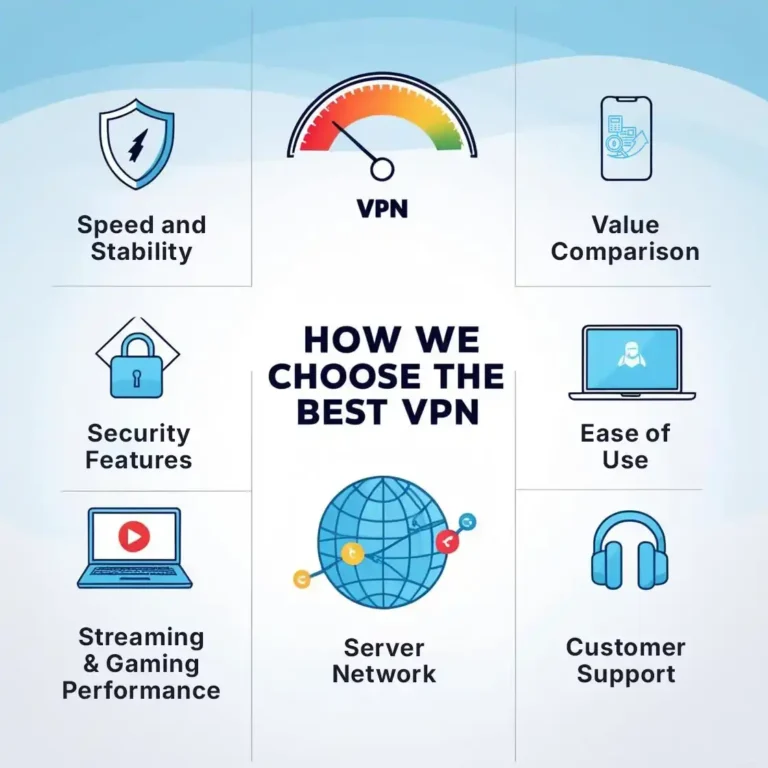
Now that you know the red flags, let’s talk about what makes a safe, secure, and legit VPN worth your time and money.
✅ Red Flags to Avoid
- No real company info
- No refund policy
- No mention of audits or transparency
- Overhyped marketing claims
- Too many 5-star reviews without detail
✅ Must-Have Features in a Secure VPN
- No-logs policy with third-party audits
- AES-256 encryption (industry standard)
- Kill switch and DNS leak protection
- Apps for all platforms (Windows, macOS, Android, iOS)
- Decent speeds for streaming
- 24/7 live support
✅ Transparent Companies vs Shady Ones
Top VPNs like ExpressVPN, NordVPN, and ProtonVPN have proven track records, transparency reports, and public leadership. They openly share:
- Jurisdiction and company info
- Server details and audits
- Privacy measures
Compare that to shady providers that reveal nothing.
Our Trusted VPN Picks (Optional Affiliate Section)
We’ve tested dozens of VPNs and here are our top 3 recommended choices:
- NordVPN — Secure, fast, and proven no-log policy
- ExpressVPN — Best for streaming and high speeds
- Surfshark — Affordable with unlimited devices
Each of these has passed independent audits and offers money-back guarantees.
Quick Checklist: Is This VPN Legit?
Use this checklist before signing up for any VPN:
- Do they have a clear privacy policy?
- Are they based in a privacy-friendly country?
- Have they been independently audited?
- Do real users recommend them?
- Is the pricing realistic?
- Do they offer customer support?
FAQs: Smart VPN Questions You Should Be Asking
Q: Are free VPNs safe to use?
A: Most free VPNs are not safe and often sell your data. Use freemium models like ProtonVPN instead.
Q: What does “no-logs” really mean?
A: It means the VPN does not store any information about your activity. Look for audits to verify this.
Q: Can VPNs be hacked?
A: It’s rare, but possible if the provider is poorly secured or uses outdated protocols. Stick with top-tier services.
Q: Will using a VPN slow down my internet?
A: Yes, but good VPNs like NordVPN or ExpressVPN have minimal impact.
Conclusion: Stay Safe, Stay Private
Don’t let VPN scams ruin your privacy goals. While shady providers are out there, the tools and knowledge to avoid them are in your hands. Remember: not all VPNs are created equal. A little research goes a long way in finding a reliable, secure provider that truly protects your data.
If you want to learn more about how tech and AI tools can help you live smarter, explore more guides at Explore AI Tools — your hub for trusted digital advice.
BONUS: Useful Tools for Verifying VPN Claims
Use these tools to ensure your VPN isn’t leaking your data or tracking you behind the scenes.
Stay alert. Choose wisely. And protect your privacy like your life depends on it—because online, it just might.