Best Encrypted Email Providers for True Privacy
Focus Keyword: Encrypted Email Providers
Meta Description: Discover the best encrypted email services that protect your privacy and data. Learn how secure email works, top providers, and how to choose the right one.
Introduction
Emails are the backbone of modern communication, yet most users don’t realize how exposed their messages really are. Big tech companies scan inboxes for advertising data, store metadata indefinitely, and often share user information with third parties. That’s where encrypted email providers come in — offering genuine privacy with end-to-end encryption, zero-access storage, and strict no-tracking policies.
In this guide, we’ll break down how encrypted email works, what makes it different from Gmail or Outlook, and which providers deliver real-world security. You’ll also learn how to pick the best one for personal or professional use.
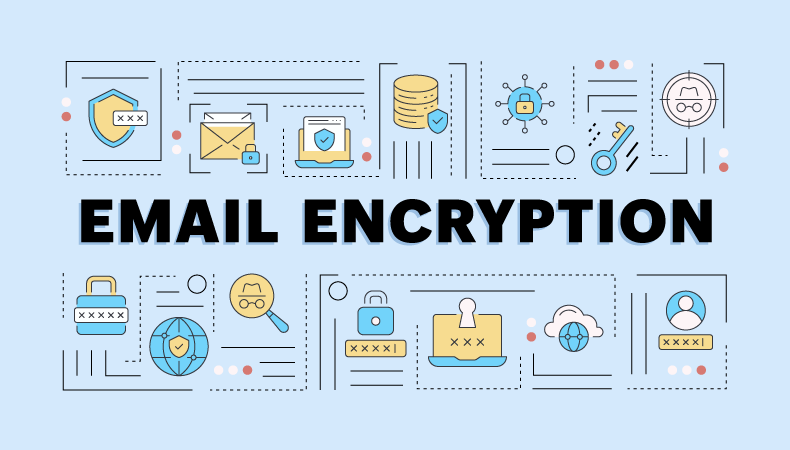
What Is Encrypted Email?
Encrypted email uses cryptographic techniques to protect your messages from being read by anyone except the intended recipient. In simple terms, even if a hacker or your email provider accesses the server, they can’t see your actual content — only scrambled ciphertext. Decryption happens locally on the user’s device using private keys.
How Email Encryption Works
- Public-Key Encryption (PGP): Each user has a public key for sending and a private key for reading messages.
- S/MIME: Uses digital certificates for secure email exchange — commonly found in corporate environments.
- Zero-Access Encryption: The provider itself cannot decrypt your mailbox — ensuring total data isolation.
Why Encrypted Email Matters
Traditional email services like Gmail, Yahoo, and Outlook encrypt only during transmission (TLS), meaning they can still access the contents stored on their servers. ProtonMail and similar services eliminate this vulnerability with end-to-end encryption, offering genuine control to the user.
How Secure Email Differs from Regular Email
Here’s how secure mail stacks up against mainstream options:
| Feature | Regular Email (Gmail/Outlook) | Encrypted Email Providers |
|---|---|---|
| Encryption Type | TLS (in-transit only) | End-to-end (PGP or zero-knowledge) |
| Data Access | Provider can read/store data | Provider cannot access content |
| Advertising Scans | Yes | Never |
| Anonymous Sign-Up | No | Yes (some) |
As privacy awareness grows, users are migrating to providers that align with strict data-protection laws — notably Switzerland, Germany, and Iceland. These countries offer strong privacy legislation that shields user data from external surveillance.
Key Features of Private Email Services
When evaluating encrypted email providers, these are the features that separate premium privacy tools from basic ones:
End-to-End Encryption
Ensures that only sender and recipient can read messages. Even system admins can’t decrypt them.
Zero-Knowledge Architecture
Data is encrypted on the user’s device before it reaches the provider’s servers. Services like Tutanota apply this principle across emails, contacts, and calendars.
Open-Source Clients
Transparency builds trust. Open-source email code allows independent audits — a practice followed by Mailfence and ProtonMail.
Anonymous Account Creation
No personal details are required. Some providers even accept cryptocurrency payments for total anonymity.
Privacy-Friendly Jurisdiction
Services based in Switzerland or Germany are not subject to intrusive data-sharing laws like the U.S. CLOUD Act.
Top Encrypted Email Providers
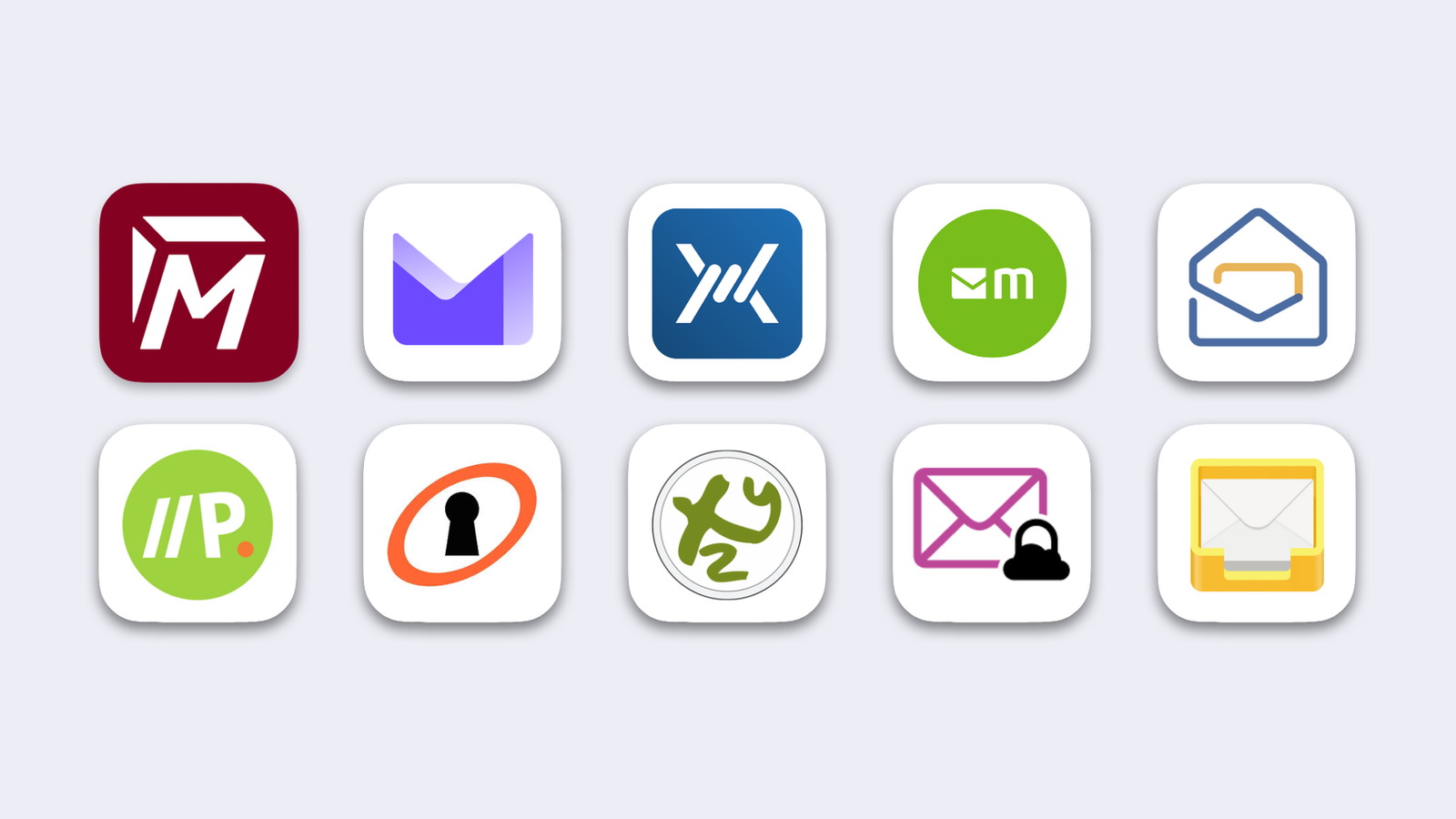
The following providers have proven track records for strong encryption, transparent privacy policies, and consistent uptime. Each suits different user needs — from casual emailers to investigative journalists.
1. ProtonMail (Switzerland)
Encryption: OpenPGP / End-to-End | Free Plan: Yes (1 GB) | Jurisdiction: Switzerland
ProtonMail remains the most popular secure email service globally. Based in Geneva, it benefits from Switzerland’s strict privacy laws and offers complete encryption for mail, attachments, and even contacts. The interface is intuitive, and users can send password-protected emails to non-Proton users.
- ✅ Zero-access architecture
- ✅ Open-source & independently audited
- ✅ Integrates with ProtonVPN for added security
- ❌ Limited storage on free plan
2. Tutanota (Germany)
Encryption: Proprietary AES + RSA | Free Plan: Yes | Jurisdiction: Germany
Tutanota is another pioneer in private email. It encrypts the subject line, body, and attachments — something even Proton doesn’t fully do by default. The service is powered by renewable energy and includes encrypted calendars and contacts.
- ✅ Fully open-source clients
- ✅ Ad-free with no third-party tracking
- ✅ Two-factor authentication (2FA)
- ❌ Limited integration with third-party mail apps
3. Mailfence (Belgium)
Encryption: OpenPGP | Free Plan: Yes | Jurisdiction: Belgium
Mailfence combines end-to-end encryption with a suite of tools like calendar, contacts, and file storage. Unlike ProtonMail, it allows complete key management — you can import, export, and revoke PGP keys anytime. Ideal for users who prefer more control over encryption.
- ✅ Transparency reports published annually
- ✅ Supports digital signatures
- ✅ Easy migration from Gmail
- ❌ Interface slightly outdated
4. StartMail (Netherlands)
Encryption: PGP | Free Plan: No | Jurisdiction: Netherlands
StartMail is developed by the same team behind Startpage, the privacy-focused search engine. It provides one-click PGP encryption and disposable aliases to protect your real email address during online sign-ups. Though paid-only, it offers one of the most straightforward setups for newcomers.
- ✅ Easy to use, even for non-technical users
- ✅ Generates unlimited aliases
- ✅ Dutch privacy law compliance (GDPR)
- ❌ No free tier
5. Skiff Mail (United States / Decentralized)
Encryption: End-to-End (OpenPGP + AES) | Free Plan: Yes | Jurisdiction: U.S. with decentralized architecture
Skiff is a newer privacy-centric service built for Web3 users. It integrates email, cloud storage, and calendar — all end-to-end encrypted. Its open-source design and integration with wallet-based sign-ins make it popular among crypto professionals who prefer decentralized identity systems.
- ✅ Open-source and audited
- ✅ Supports IPFS-based decentralized storage
- ✅ Clean, modern interface
- ❌ Limited offline access
6. CounterMail (Sweden)
Encryption: OpenPGP | Free Plan: No | Jurisdiction: Sweden
CounterMail has existed for more than a decade, emphasizing anonymity. It uses USB-key two-factor authentication and stores data on diskless servers. This setup ensures that even a physical breach yields no recoverable data. While its interface feels dated, the underlying security is world-class.
- ✅ Diskless servers prevent data theft
- ✅ Hardware-based 2FA
- ✅ Custom domain support
- ❌ Old-fashioned UI
7. Posteo (Germany)
Encryption: OpenPGP | Free Plan: No | Jurisdiction: Germany
Posteo stands out for ethical business practices. It accepts anonymous cash payments by mail and operates entirely on renewable energy. Although not fully end-to-end by default, users can easily enable encryption via PGP keys, combining strong security with simplicity.
- ✅ Environment-friendly operations
- ✅ Anonymous payment options
- ✅ Affordable (€1 per month)
- ❌ No native mobile app
How to Choose the Right Encrypted Email Service
With so many privacy-focused platforms available, selecting the best one depends on your priorities. Use this quick checklist before deciding:
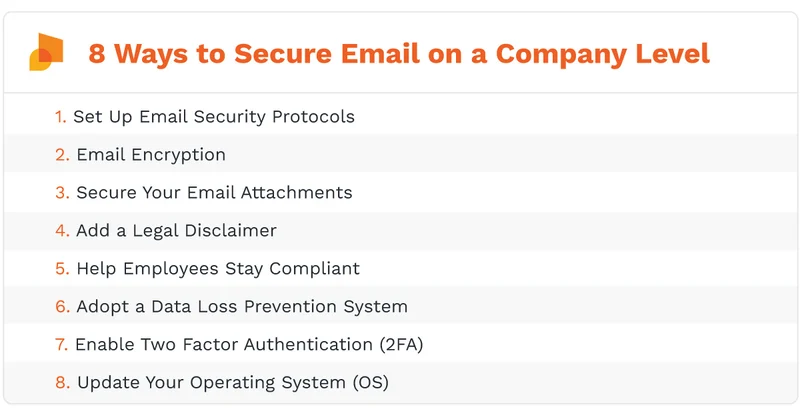
- Budget & Plan Limits: Decide whether you need a free tier or enterprise-level storage.
- Security Level: Check for end-to-end encryption, zero-knowledge policy, and open-source audits.
- Jurisdiction: Opt for providers in privacy-friendly countries (Switzerland, Germany, Iceland).
- Extra Tools: Encrypted calendars, cloud drives, and aliases add convenience.
- Ease of Use: Interface design matters — if it’s too technical, you might avoid using it daily.
Are Free Encrypted Email Services Safe?
Free plans are excellent for testing, but they often limit storage, custom domains, and support. They’re still far safer than unencrypted providers because privacy is built into the architecture, not dependent on payment. However, if you manage sensitive data or business communication, a paid plan ensures reliability and customer support.
For balanced recommendations, privacy experts from RestorePrivacy.com suggest combining a paid encrypted email with a secure VPN service for complete online anonymity.
Business and Enterprise Encrypted Email
Organizations handling client data, legal files, or medical records should use encrypted email suites that include domain management, centralized controls, and compliance support (GDPR, HIPAA, ISO 27001). Providers like Proton for Business and Mailfence Business are excellent for small to medium enterprises needing both security and collaboration tools.
- ✅ Custom domain support
- ✅ Shared mailbox access with admin control
- ✅ Automatic backup and encrypted drive
- ✅ Compliance documentation for audits
FAQs about Encrypted Emails
Is Gmail encrypted end-to-end?
No. Gmail only uses TLS encryption during transmission, meaning Google can still access and scan stored messages.
Can my ISP read encrypted emails?
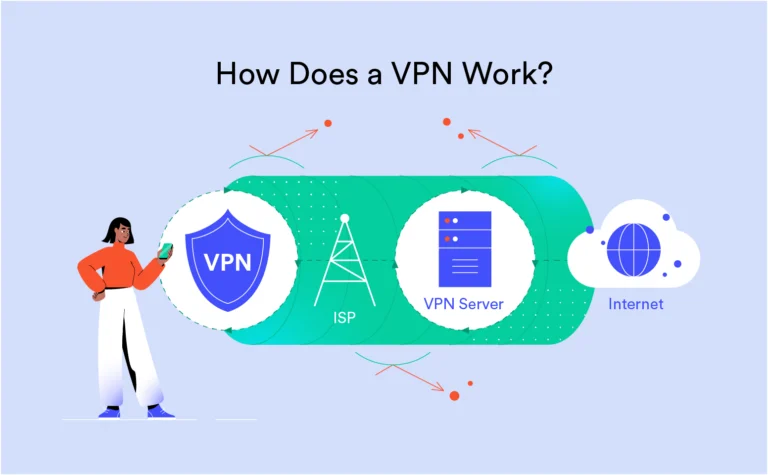
Not if you use a true end-to-end provider. The content and attachments are fully encrypted, visible only to sender and recipient. You can learn more about ISP tracking in our ISP Privacy Guide.
What’s the difference between PGP and S/MIME?
PGP is open-source and widely used for individual encryption; S/MIME relies on centralized digital certificates, preferred in corporate settings.
Can I use encrypted email with Outlook or Thunderbird?
Yes. Some providers support third-party clients via IMAP/SMTP + PGP plugins, but setup requires importing your encryption keys manually.
Final Thoughts
Email privacy is no longer optional — it’s a necessity. Whether you’re a journalist protecting sources or a regular user avoiding data profiling, encrypted email providers offer an easy path to secure communication. Services like ProtonMail and Tutanota have proven that convenience and privacy can coexist.
Before you sign up, remember to combine your secure email with additional privacy layers such as a reputable VPN service and a password manager like Bitwarden. This trio ensures your online footprint stays protected across all channels.
Key Takeaway:
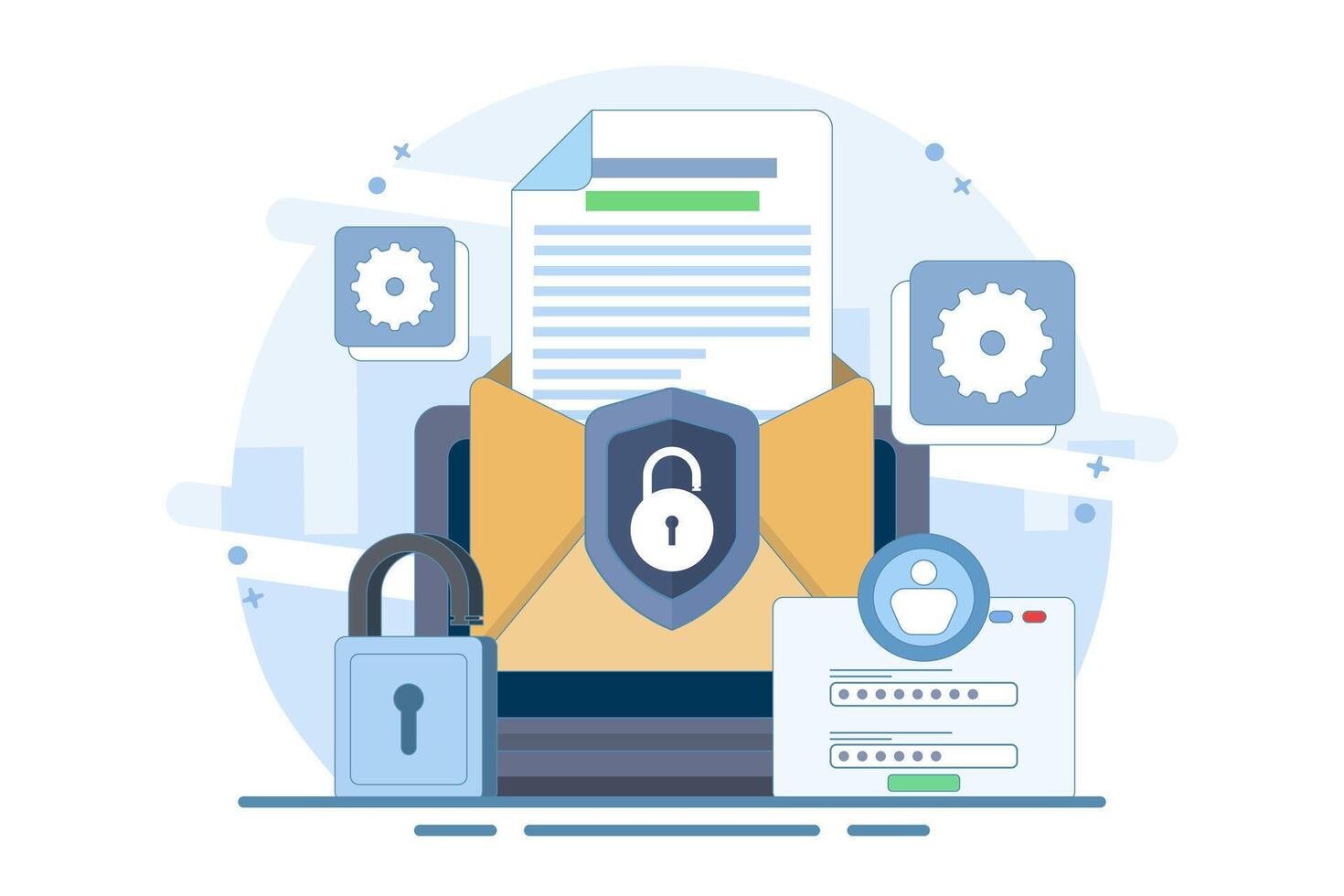
Switching to an encrypted email service is one of the simplest yet most impactful steps toward regaining control of your digital privacy.